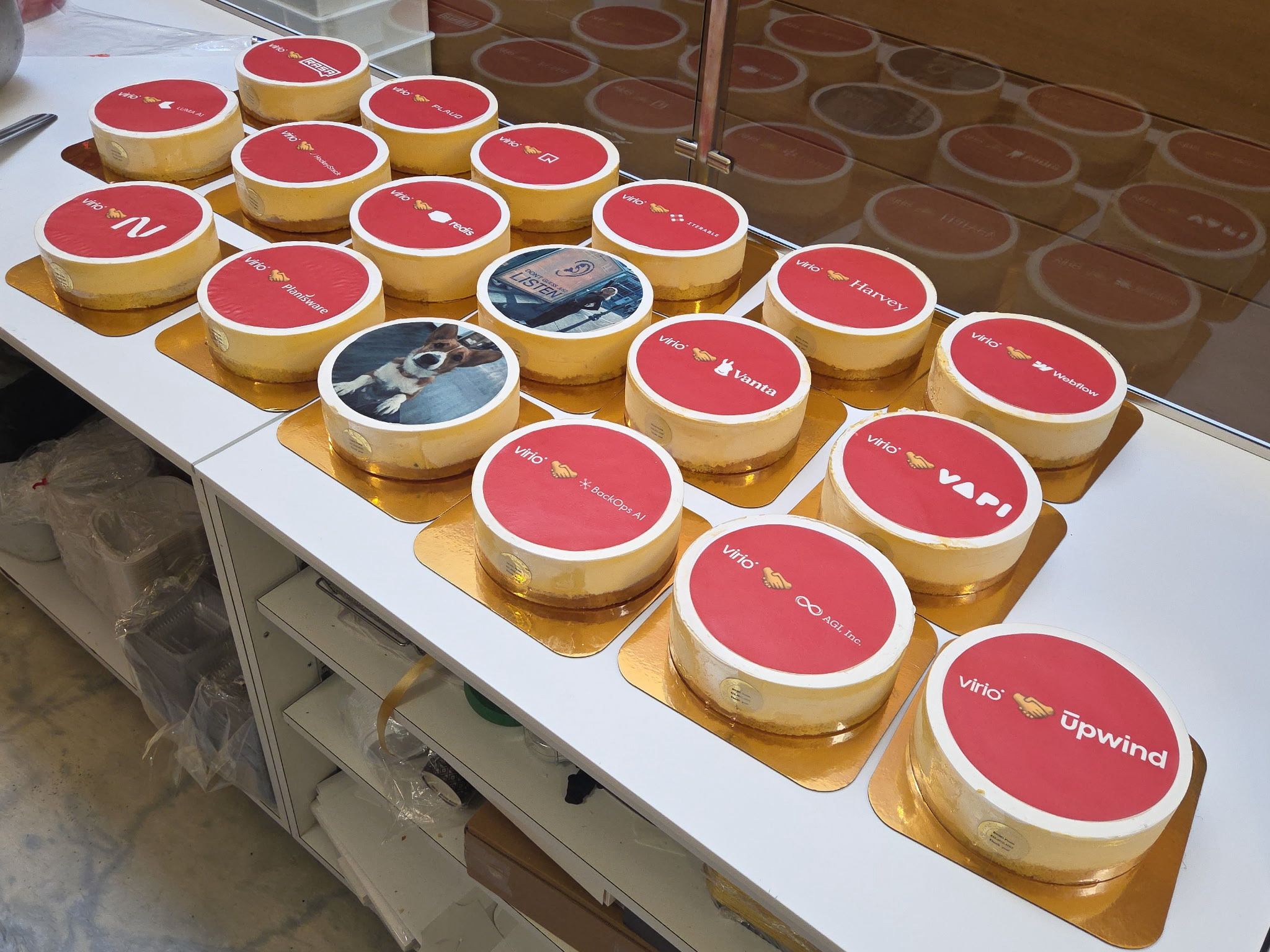
Pick 5 to 10 named accounts. Send each office a branded cake with one line and a QR code, time delivery for mid-morning, then follow up while the team is still talking about it.
Coldcaking started with founders sending pitch cakes to VCs. Sales teams adapted the same playbook for enterprise accounts, strategic buyers and partners who ignore cold email. The goal is not to feed the company. It is to create a moment the whole office notices.
Founders vs sales teams
Founders optimize for one high-stakes send: the right investor, the right moment, one sharp message on a cake. Sales teams optimize for a short list of accounts where one meeting is worth hundreds in send cost.
| Founders | Sales teams | |
|---|---|---|
| Optimizes for | One high-stakes send | A short list of accounts |
| Who gets a cake | One VC | 5 to 10 named accounts |
| Timing | The right moment | Coordinated across the list |
| Follow-up | One follow-up | Tracked in your CRM |
| Start with | The founder playbook | A Cold Caked campaign |
Both: specificity beats volume. Never cake a whole territory.
The sales coldcaking playbook
-
Pick 5 to 10 dream accounts, not 500.
Each send should have a named company, a reason they should care and a pipeline value that justifies the cost. If you would not take a meeting from this account, do not cake them.
5–10dream accounts, by name 500is a list for email, not cake -
Write one line, not a paragraph.
The cake is the pattern interrupt. The message should answer three things: who you help, one result, one next step. Faces plus copy on the frosting make the sender feel real, not spammy.
-
Add a QR code to a booking page.
A zero-friction CTA: scan, then calendar. The recipient should not have to type a URL or dig through email. Make the next step obvious before anyone cuts the cake.
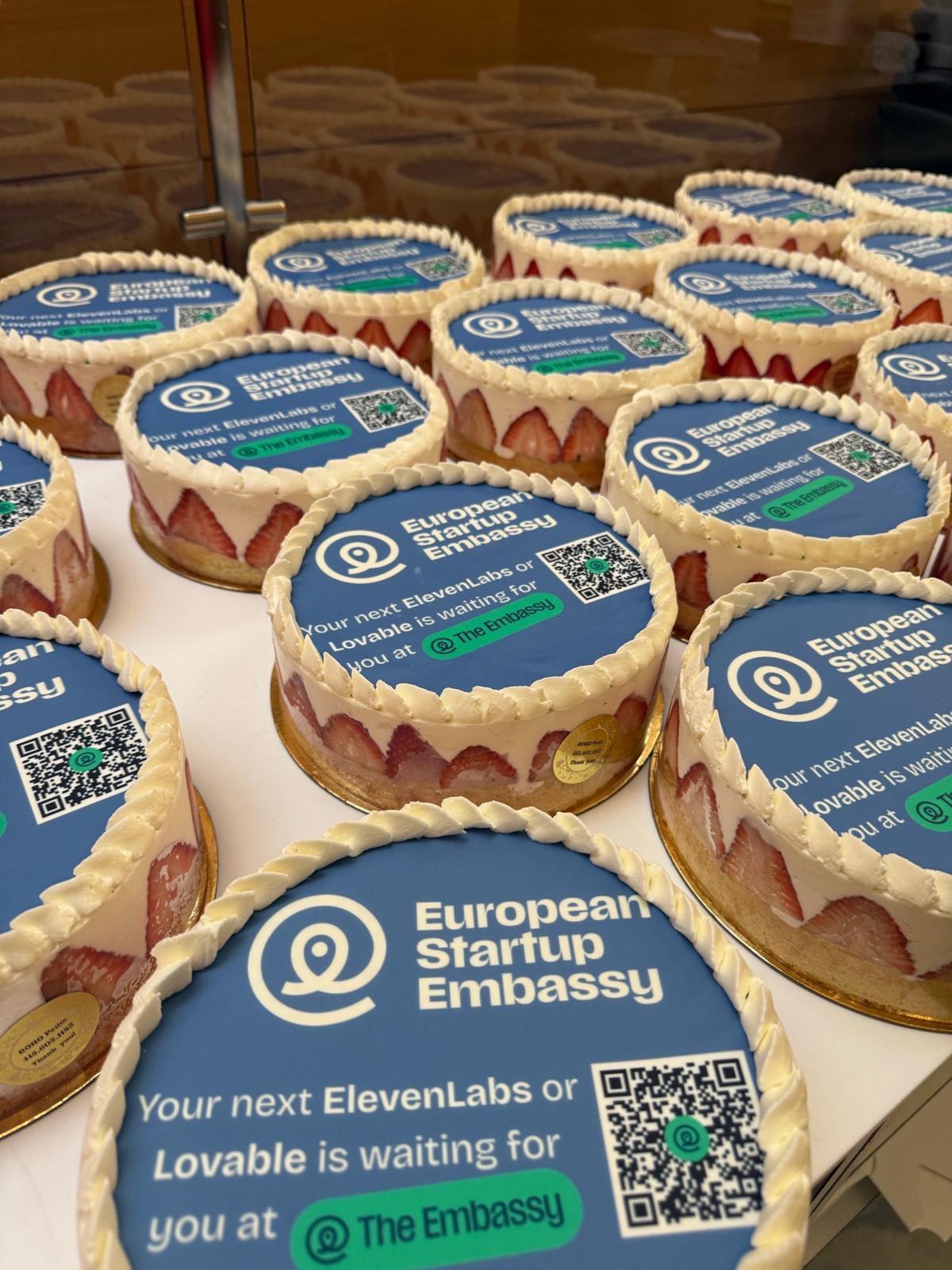
The QR code sits right on the frosting. -
Time delivery for mid-morning.
You want the cake to land when people are in the office and likely to gather around it. A break-room moment beats a lonely reception desk at 5pm.
break-room moment lonely desk -
Follow up the same day.
Email or LinkedIn while the cake is still out: "Did it arrive? Happy to walk through how we helped [similar company] with [result]." See does coldcaking work? for why timing matters.
Why teams use Cold Caked
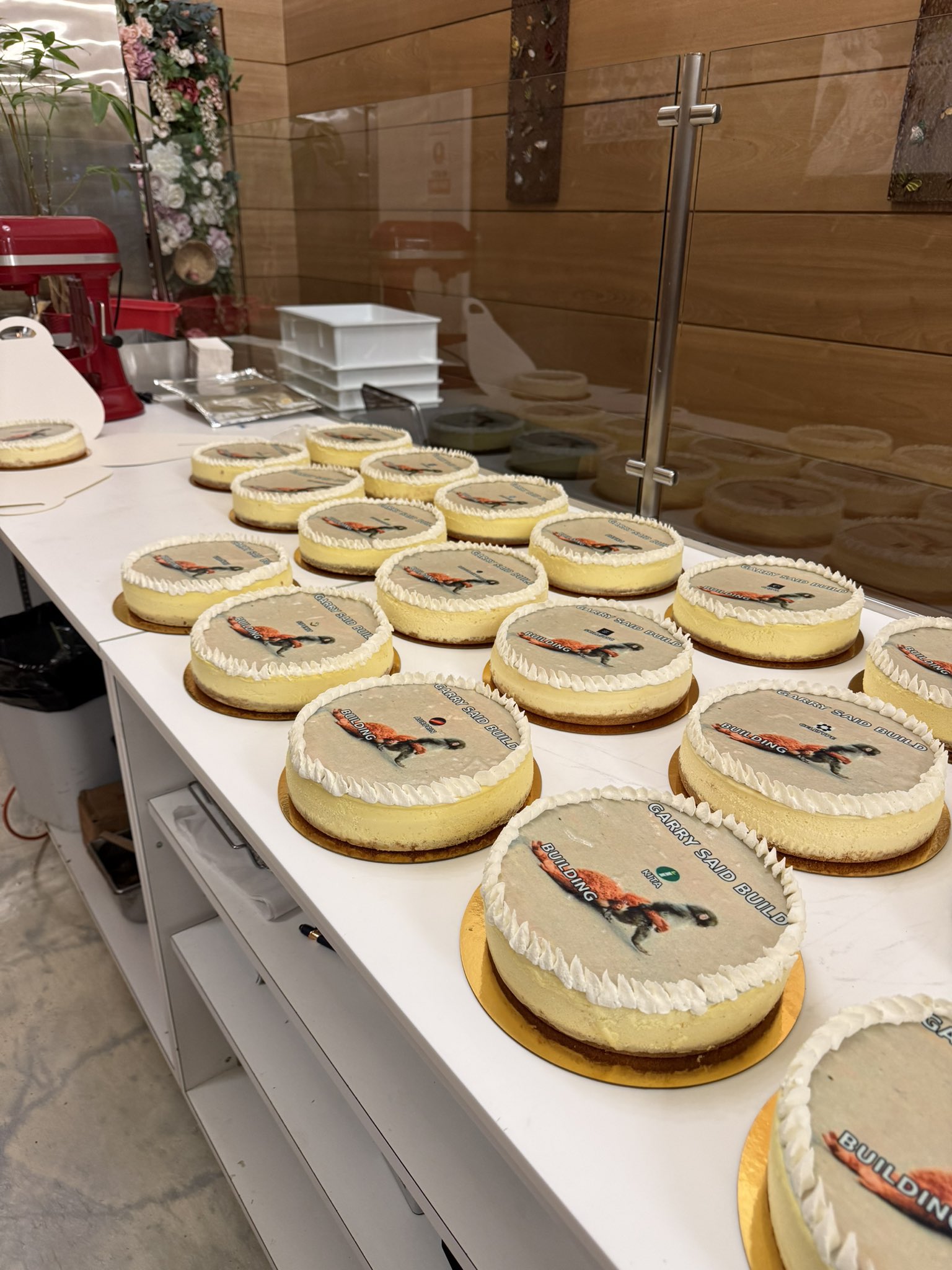
Some tools treat physical sends as generic gifting. Cold Caked is built for one job: your message, on a cake, in their office. That takes real logistics:
Local bakeries
A bakery in their city bakes each cake fresh.
Address checks
We find the office and check the address.
Delivery proof
A photo when it lands at the front desk.
Campaigns
A list of accounts, one cake each, one dashboard.
Daymaker popularized coldcaking with founders and VCs first, as covered in Forbes and Sifted. Sales teams use the same setup for account-based sends: any target in a delivery zone, your design on the cake.
Not sure it fits your motion? Start with coldcaking vs cold email or see what a cake costs.
When sales teams should not cake
- The account list is still unqualified. Use email to learn first.
- No one owns follow-up. The cake creates the moment. Sales still has to ask.
- The message is generic. "We help companies grow" does not deserve frosting.
- Legal or gifting policy blocks it. Check enterprise procurement rules first.
Written by Daymaker. Last updated July 1, 2026.